
Tech roots with a human touch
Starting from Particle Physics and Software Technology, I have worked more than 20 years on interactive systems – 3D editors, sterile interfaces, clinical and industrial workflow support tools, experiential demonstrators and setups aimed at letting end users feel what they are getting into. I have worked in both startups and multinationals.
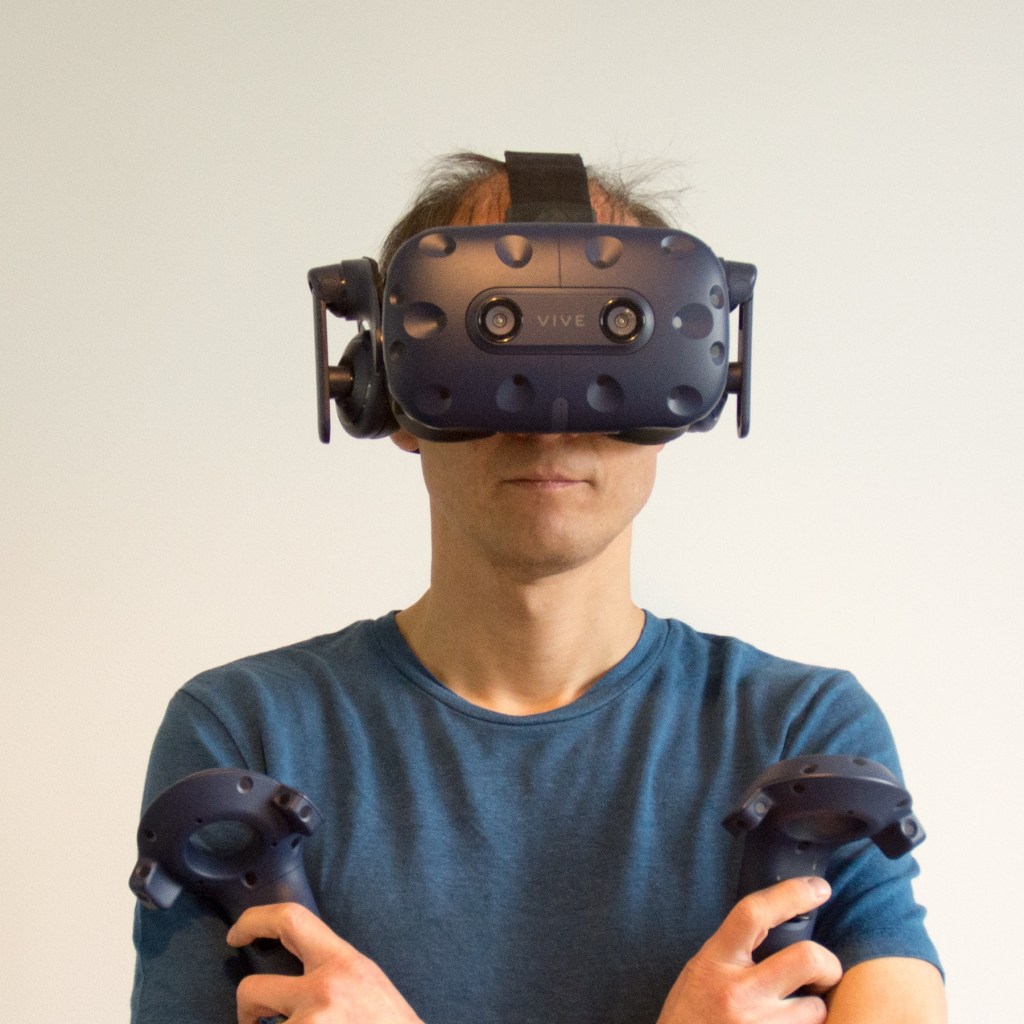
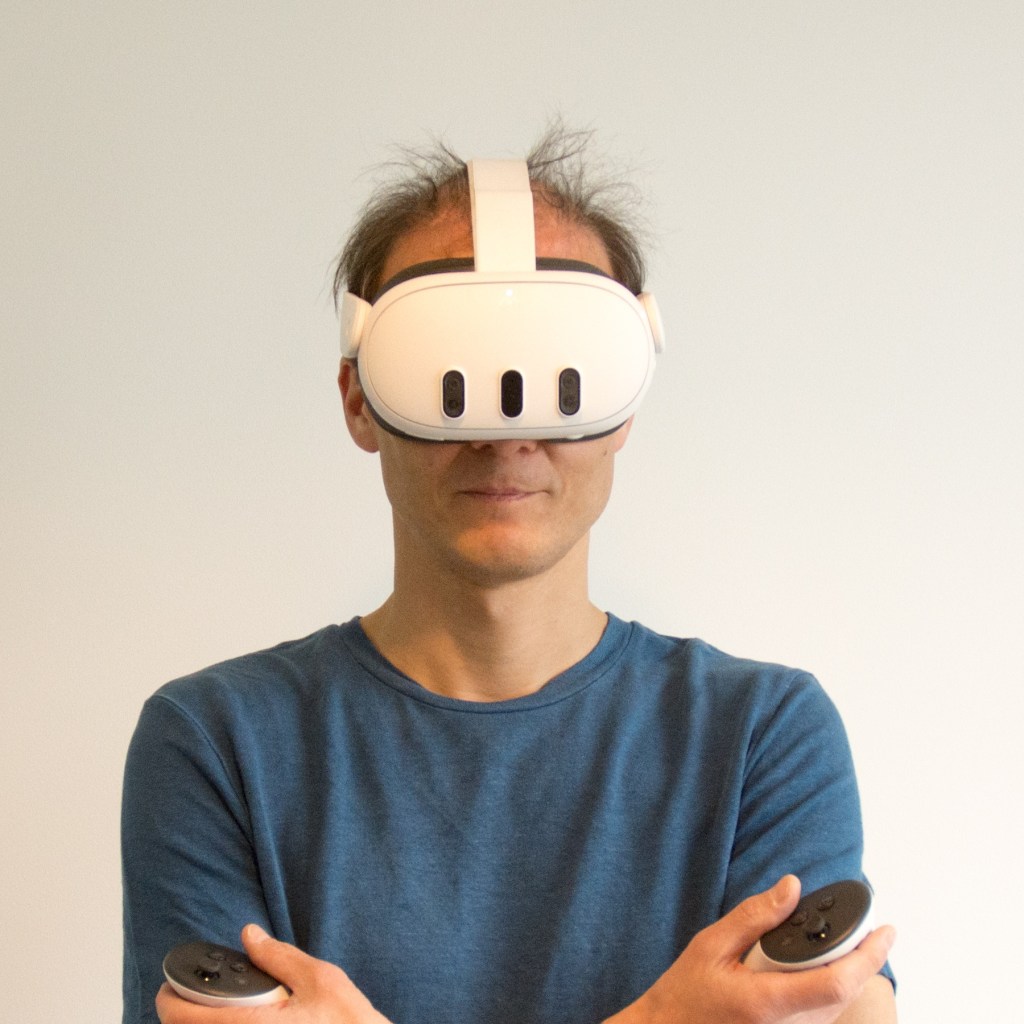
While without exception, the systems I worked on are defined by software, the physical hardware should never be forgotten. I have worked on gesture, speech and gaze tracking as part of sterile clinical interfaces, large (2×3 m) touch surfaces as well as fully custom interactions for just single demonstrators. The past ten years I have focused exclusively on Virtual, Augmented, Mixed, and various other kinds of reality.
Working tech is important, but its impact on users is at least as important -the physical and cognitive ergonomics, and the link to the actual work of end users. I have learned to include observations studies, end user interviews, stakeholder workshops, and end user tests of various forms as integral part of the development cycle. Or, one could say that I have merged technical development into the design process.
Check my LinkedIn for more details, or a sampling of past projects that I am allowed to talk about.
Experiencing is believing
You must be able to interact with a concrete thing to know what you can do with it, and to feel whether, and how it could be valuable to you. I believe working prototypes are essential to let users give high quality feedback at early stages of the product development process. Working prototypes enable end users to get actively involved with defining what needs to be made to help them. Prototypes capture the shared understanding of the team, regardless of whether the team members are technical specialists.
Working code
Modern digital tools enable fast and efficient prototype creation. This is done in multiple iterative cycles of implementation, evaluation, analysis and design. The continuous, fast translation of insights, test results, design choices, and questions into working, testable artifacts forms the backbone of a robust traceable, development process. I see the working prototypes as the tangible anchors that provide a constant reminder of how far you have come. They also give confidence to head out into new, and maybe unexpected directions.


ACM Code of Ethics

Digital technology can have profound impact on users, both positive and negative. As long-time ACM member, I uphold the ACM Code of Ethics and Professional Conduct, in word and spirit. The code strives for both professional and societal responsible and ethical conduct.

 Virtual Frontier